
What is Play Therapy?
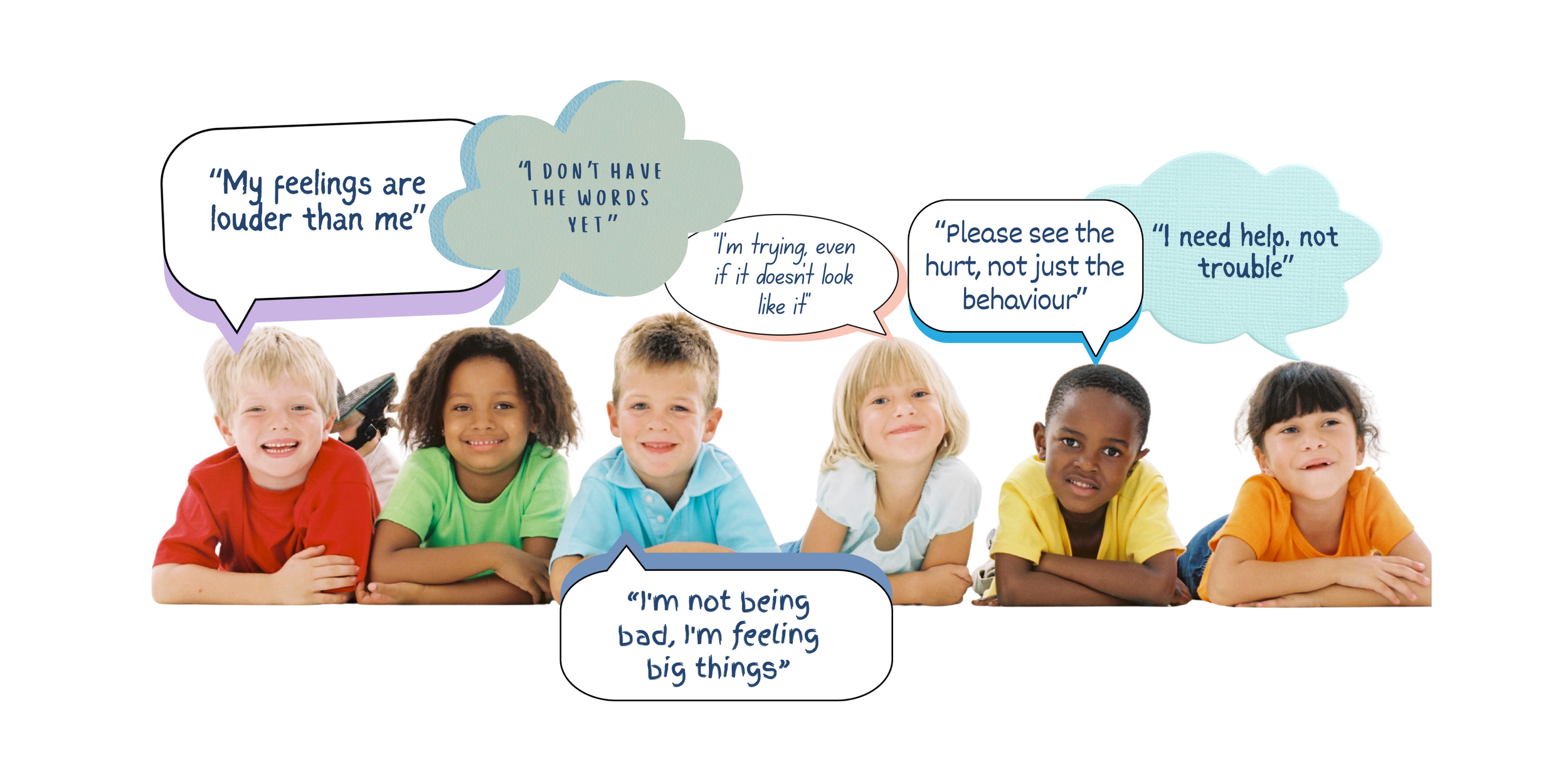
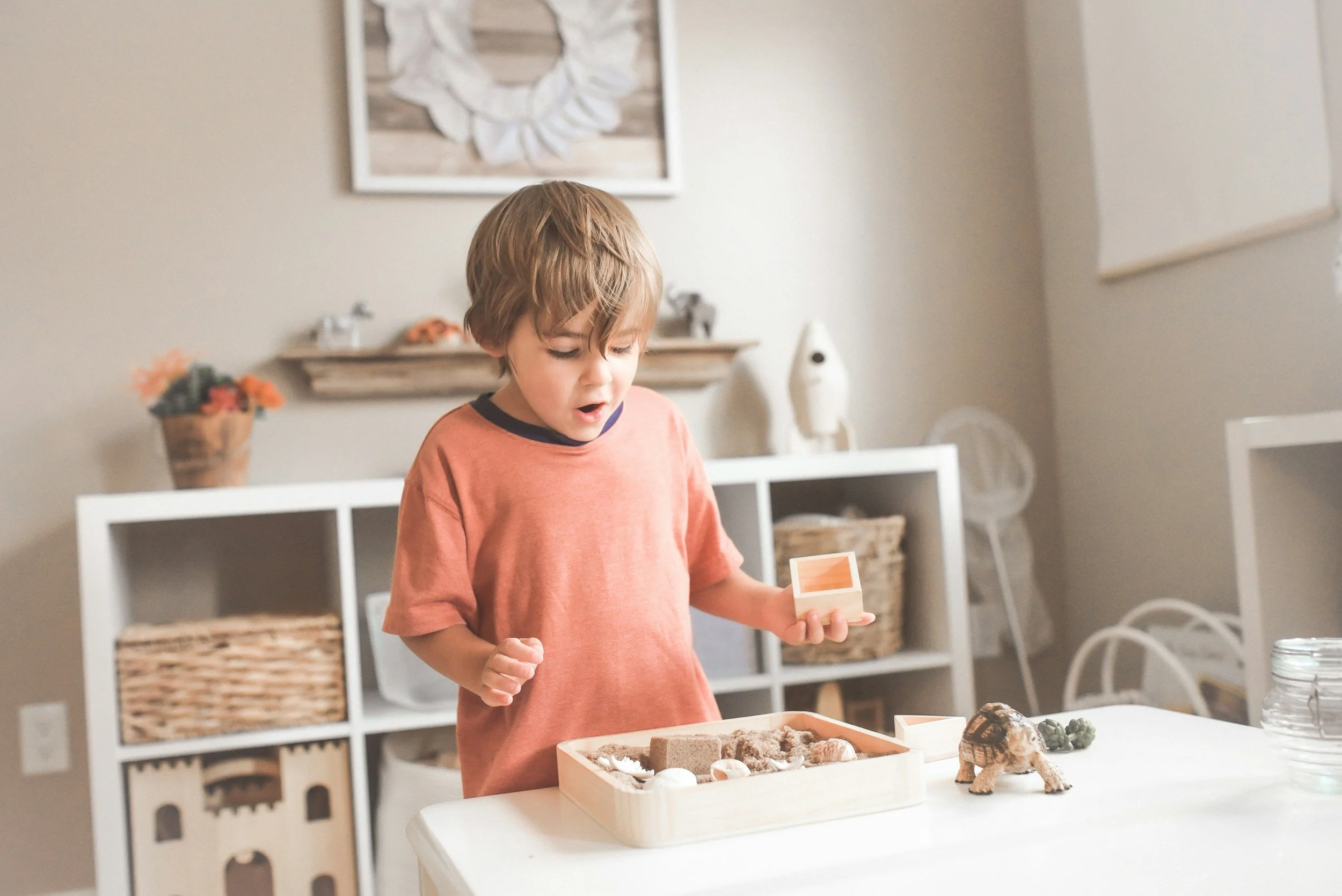
Play therapy is a form of counselling that uses play to help children express their feelings, thoughts, and experiences. Since kids often find it tricky to put their emotions into words, play becomes their natural language. Through toys, games, drawing, and imaginative activities, we create a safe space where children can explore and work through challenges like anxiety, trauma, or behavioural issues. It’s a powerful way for little ones to process what’s going on inside and build coping skills, which will support their self-esteem and confidence.
How will Play Therapy help my child?
Play therapy can lead to a range of positive outcomes that support their emotional and social development:
Enhanced Emotional Expression: Play therapy provides a safe space for children to express feelings they might not be able to put into words, helping them process emotions like frustration, fear, or sadness.
Improved Behaviour: Through guided play, children can develop better coping strategies, leading to reductions in behavioural issues like outbursts, aggression, or withdrawal.
Boosted Self-Esteem: Play therapy encourages mastery of new skills and fosters a sense of achievement, which can help build your child’s confidence.
Better Social Skills: It helps children practise interaction, cooperation, and empathy, improving their connections with peers and family members.
Trauma Resolution: For children who have experienced trauma or significant change, play therapy can assist in making sense of their experiences and beginning healing.
Stronger Parent-Child Relationships: Therapists often involve parents in the process, supporting improved communication and understanding at home.
Overall, play therapy provides a playful yet powerful means for children to develop emotionally, socially, and psychologically, enabling them to thrive both now and in the future.


How Do I Know if My Child Needs Play Therapy?
It’s a question many parents ask — especially when behaviours come out of the blue or your child can’t explain how they’re feeling.
You might notice:
Frequent meltdowns or aggressive behaviour
Sudden withdrawal or changes in mood
Difficulty with sleep, toileting, or separation
Ongoing worries or fears
Struggles to cope with change
If you feel like something’s not quite right, trust your instincts, you don’t have to wait for things to get worse.
Reaching out for support is a proactive and caring step.
Contact Me
If you would like to know how play therapy can help your child, share your details with me, and I will get in touch.
Katy Pryde
Play Therapist | Counsellor